
Most people assume that major life events such as a divorce, job loss, or serious illness cause the greatest emotional strain. While these experiences are undoubtedly painful, research and clinical experience show that small, ongoing daily stressors often have a deeper and longer-lasting impact on mental and physical health.
Unlike major events, daily stress tends to build quietly. Because it feels familiar and manageable, it often goes unnoticed until it begins to affect sleep, focus, mood, and overall well-being.
What Is Small Daily Stress?
Small daily stress comes from everyday demands such as:
- Work deadlines and multitasking
- Traffic and commuting
- Financial concerns
- Constant notifications and emails
- Balancing responsibilities at home and work
Each stressor may seem minor on its own. However, because they occur repeatedly throughout the day, the body and brain may stay in a near-constant state of tension.
When there is little time to recover between stressors, mental fatigue builds. Over time, this can reduce emotional resilience, patience, and clear decision-making.
How Major Life Events Affect Us Differently
Major life events often bring intense emotional pain, but they are usually recognized as serious and temporary. People expect distress during these times and are more likely to seek support, slow down, and allow space for healing.
The brain often treats major events as a crisis with a beginning and an end. With time, coping strategies, and support, many people gradually regain emotional balance.
Why Daily Stress Adds Up So Quickly
Daily stress does not give the nervous system time to reset. Each small stressor adds another layer of pressure, eventually leading to chronic stress rather than short-term emotional reactions.
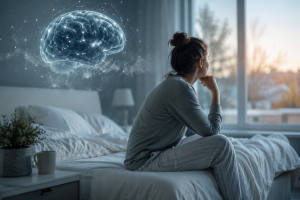
Over time, the brain remains in a heightened state of alert even during rest. This ongoing activation can increase anxiety and make it difficult to fully relax.
The Hidden Effects on Mental Health
Ongoing daily stress can lead to:
- Irritability or emotional sensitivity
- Constant worry or feeling on edge
- Mental exhaustion
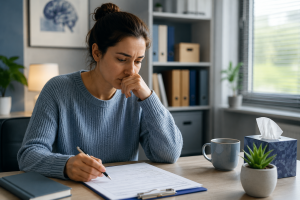
- Feeling overwhelmed without knowing why
Because the stress feels vague or “normal,” it is often harder to identify and manage. Over time, chronic stress can contribute to anxiety, low mood, difficulty concentrating, and reduced motivation.
Physical Effects of Constant Low-Level Stress
Chronic stress affects the body as much as the mind. Common physical symptoms include:
- Muscle tension and headaches
- Digestive discomfort
- Fatigue or low energy
- Weakened immune response
Sleep is often disrupted by racing thoughts or tension, which increases stress the following day and creates a difficult cycle to break.
Why Small Stress Is Often Ignored
Because everyone experiences daily stress, it is often dismissed as “just part of life.” Feeling tired, distracted, or irritable can seem normal, leading people to overlook early warning signs.
Modern culture often rewards busyness and constant availability. This can make it harder to recognize when stress levels are becoming unhealthy.
Technology and Daily Stress
Technology plays a major role in daily stress. Constant notifications, emails, and social media updates keep the brain engaged and alert throughout the day.
Even without real danger, digital demands create a sense of urgency. Over time, this can keep stress hormones elevated and reduce emotional recovery.
How Daily Stress Affects Long-Term Happiness
When daily stress goes unmanaged, it can slowly reduce enjoyment in everyday moments. People may feel less patient, more emotionally distant, or disconnected from others.
Instead of feeling fulfilled, life may begin to feel like a constant effort to keep up. Over time, this can affect relationships, satisfaction, and overall quality of life.
Simple Ways to Reduce the Impact of Daily Stress
Small, consistent changes can make a meaningful difference:
- Set boundaries with work and technology
- Take short breaks during the day
- Prioritize regular sleep routines
- Engage in light physical activity
- Practice mindfulness or relaxation techniques
These habits support emotional regulation and help protect mental health from the cumulative effects of stress.
Why Awareness Matters
Recognizing daily stress as a real health concern is the first step toward change. Awareness allows people to take action early before stress becomes overwhelming or chronic.
Managing daily stress does not require major life changes. Instead, it involves paying regular attention to mental and emotional needs and making small adjustments over time.
Final Thoughts
Small daily stress may seem harmless, but its long-term effects can be more damaging than major life events. Because it builds quietly, it slowly drains mental and physical energy.
By recognizing and managing daily stress early, people can protect their well-being, improve emotional balance, and build lasting resilience.