
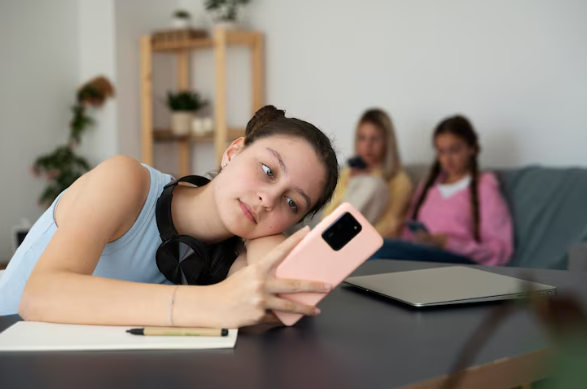
Scrolling through curated feeds can feel harmless at first. A few photos, a couple of updates, maybe a quick video. But over time, repeated social media comparison can quietly drain confidence and reshape how you view yourself. What starts as curiosity often becomes a daily habit of measuring your life against carefully edited snapshots of others.
The emotional toll of comparison is subtle yet powerful. It can influence career satisfaction, body image, relationships, and even personal identity. Understanding how this pattern develops—and how to interrupt it, is essential for protecting your mental well-being in a hyper-connected world.
What Is Social Media Comparison?
Social media comparison occurs when individuals evaluate their worth, achievements, or appearance against content they see online. While comparison is a natural human tendency, constant exposure to curated content intensifies the process.
Platforms highlight achievements, vacations, milestones, and filtered images. Rarely do they show setbacks, insecurities, or ordinary routines. As a result, comparison often becomes distorted and unrealistic.
This pattern plays a significant role in broader conversations about social media mental health, especially among adolescents and young adults.
Why Comparison Feels So Automatic
The Psychology Behind It
Humans are wired for social evaluation. We assess where we stand within groups to understand belonging and status. Online platforms amplify this instinct.
When comparing yourself social media seems like the best place to start; your brain often interprets polished highlights as complete realities. This fuels ongoing comparison cycles that can feel impossible to escape.
Algorithm Amplification
Algorithms prioritize content that triggers strong emotional responses. Posts that evoke admiration, envy, or aspiration receive more visibility, intensifying the social media emotional impact.
Signs You’re Experiencing Comparison Fatigue
Not all comparison is harmful. However, repeated social media comparison may lead to noticeable emotional strain.
Common Indicators
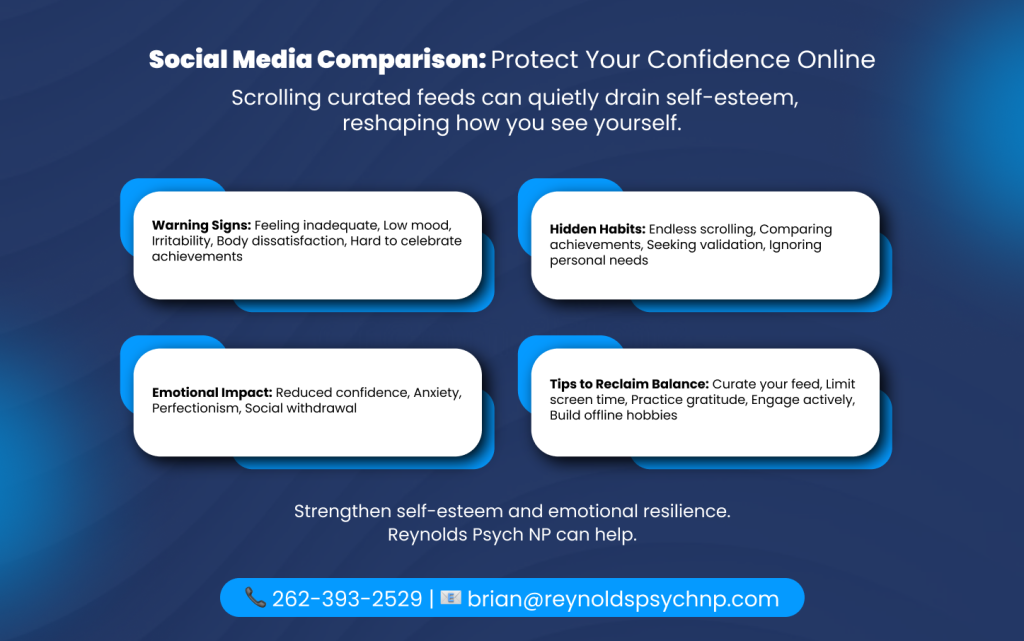
- Feeling inadequate after scrolling
- Questioning personal achievements
- Body dissatisfaction
- Irritability or low mood
- Difficulty celebrating your own milestones
If comparison on social media consistently leaves you discouraged, it may be time to reassess your digital habits.
The Emotional Cost of Constant Comparison
The emotional impact of repeated evaluation can extend beyond momentary envy. Long-term comparison has been linked to:
- Reduced self-esteem
- Increased anxiety
- Depressive symptoms
- Perfectionistic tendencies
- Social withdrawal
Over time, individuals may internalize unrealistic standards. Social media comparison shifts focus from authentic self-growth to external validation.
Healthy Inspiration vs. Harmful Comparison
| Healthy Inspiration | Harmful Comparison |
| Motivates growth | Triggers self-doubt |
| Encourages learning | Promotes unrealistic standards |
| Feels energizing | Feels draining |
| Supports self-worth | Undermines confidence |
| Balanced perspective | All-or-nothing thinking |
Recognizing the difference helps prevent comparison from eroding self-esteem.
How Social Media Affects Self-Image
Images are powerful. Constant exposure to idealized lifestyles can distort perceptions of normalcy.
When social media comparison becomes habitual, even achievements may feel insufficient. Promotions, fitness progress, or creative projects can seem minor when measured against global highlights.
This pattern intensifies social media mental health challenges, particularly among those already vulnerable to anxiety or perfectionism.
The Role of Personality and Background
Some individuals are more sensitive to comparison due to temperament, upbringing, or past experiences.
Questions such as “can you inherit mental illness” highlight how genetic predispositions may influence emotional responses. Those with anxiety or depressive tendencies may experience stronger reactions to comparison on social media.
Understanding personal vulnerability helps guide healthier coping strategies.
Practical Strategies to Protect Your Self-Esteem
1. Curate Your Digital Environment
Unfollow accounts that consistently trigger negative self-evaluation. Replace them with content that promotes authenticity and realistic standards.
2. Limit Passive Scrolling
Set intentional time boundaries. Reducing exposure interrupts automatic comparison habits.
3. Practice Gratitude
Shift focus from what others display to what you value in your own life. This weakens the emotional pull of social media comparison.
4. Engage Actively, Not Passively
Instead of endless scrolling, participate meaningfully—comment thoughtfully, connect privately, or share authentic experiences.
Building Emotional Resilience Offline
Self-esteem thrives when rooted in real-world experiences. Consider:
- Developing hobbies unrelated to online validation
- Strengthening in-person relationships
- Practicing mindfulness
- Setting personal growth goals
These habits provide social media stress relief by reducing reliance on digital affirmation.
When Comparison Signals a Deeper Concern
If comparison triggers persistent sadness, hopelessness, or avoidance behaviors, professional support may help.
Mental health professionals can assess underlying factors through tools such as a Disability Assessment when functional impairment is present. Therapy offers a safe space to unpack comparison patterns and rebuild confidence.
Supporting Teens and Young Adults
Adolescents are particularly vulnerable to social media comparison due to identity formation and peer influence.
Parents and caregivers can help by:
- Encouraging open conversations about online experiences
- Modeling balanced digital habits
- Promoting offline activities
- Reinforcing intrinsic self-worth
Addressing social media mental health early reduces long-term emotional strain.
Reframing Success and Authenticity
One powerful way to counteract comparison is redefining success. Instead of measuring progress against others, focus on:
- Personal growth
- Emotional well-being
- Meaningful relationships
- Values-based achievements
Authenticity weakens the grip of comparison by aligning identity with internal standards rather than external approval.
Professional Support and Resources
When comparison patterns become overwhelming, structured support can make a difference. Clinics offer comprehensive services designed to address emotional well-being.
Whether through counseling or a tailored mental health care package, professional guidance helps individuals develop coping skills and strengthen self-esteem.
Understanding the broader social media emotional impact empowers individuals to make informed decisions about their digital habits.
Conclusion
Social media comparison is a common yet often underestimated challenge in the digital age. While platforms can inspire and connect, they also amplify unrealistic standards that quietly undermine confidence.
By recognizing the signs of comparison fatigue, setting boundaries, and building resilience offline, individuals can protect their self-esteem. Intentional digital habits transform comparison from a source of stress into a manageable part of modern life.
Ultimately, your worth cannot be measured by curated images or follower counts. True confidence grows from authenticity, self-awareness, and meaningful connections beyond the screen. Understanding levels of care in mental health ensures individuals receive appropriate support.
If social media comparison is affecting your confidence or emotional well-being, reach out to Reynolds Psych NP today at (262) 999-7350 or email [email protected]. Our compassionate team can help you rebuild self-esteem and develop healthier digital boundaries.
FAQs
1. Is social media comparison always harmful?
Not necessarily. Occasional comparison can inspire growth, but chronic comparison may reduce self-esteem.
2. How can I stop comparing myself online?
Limit scrolling time, curate your feed, and focus on personal values instead of external validation.
3. Why does comparison feel so automatic?
Humans are wired for social evaluation, and digital platforms amplify that instinct.
4. Can therapy help with self-esteem issues related to social media?
Yes. Therapy provides tools to challenge negative thought patterns and build emotional resilience.
5. What if comparison is affecting my daily functioning?
If comparison leads to persistent distress or avoidance, consider seeking professional mental health support.