
Understanding Perimenopause and Mental Health
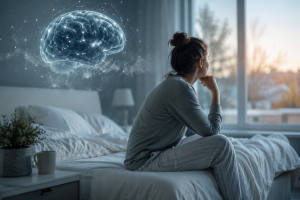
Perimenopause and mental health are closely connected in ways many women do not expect. Perimenopause is the transitional stage before menopause when hormone levels begin to fluctuate, often unpredictably. These hormonal shifts affect not only the body but also emotional regulation and cognitive function.
During this time, estrogen and progesterone levels rise and fall irregularly. Because these hormones influence brain chemistry, mood changes can become more noticeable. Many women who have never experienced mental health concerns may suddenly notice anxiety, irritability, or sadness.
Understanding perimenopause and mental health is essential for recognizing that these emotional changes are physiological, not personal failures.
Hormonal Changes and Emotional Regulation
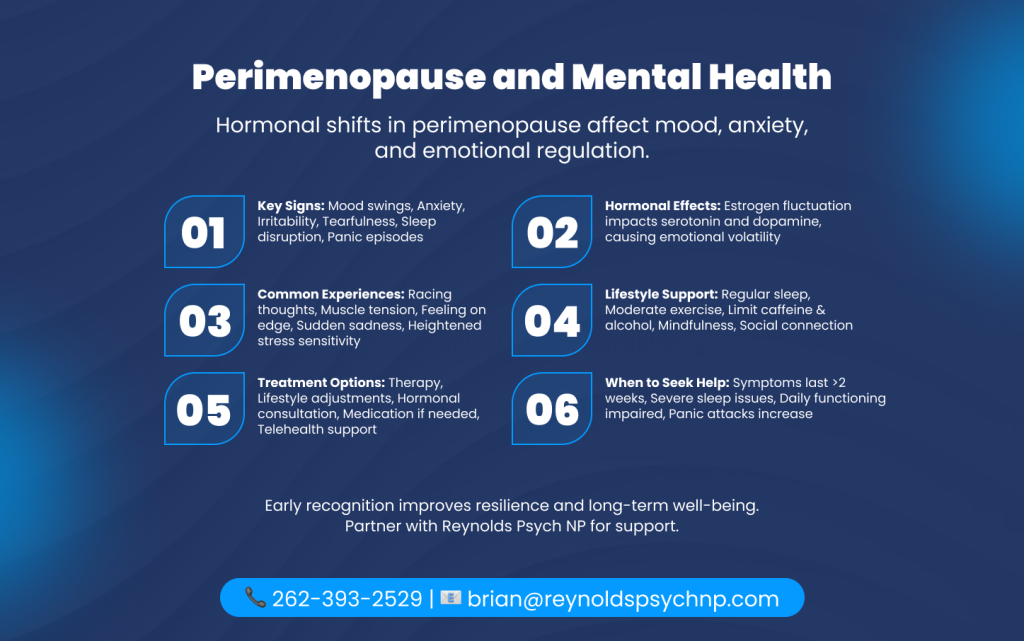
Hormones play a direct role in neurotransmitters such as serotonin and dopamine. When estrogen levels fluctuate, emotional stability can shift as well.
Mental health during perimenopause may feel unpredictable. One day may feel calm and manageable, while the next brings unexplained tearfulness or agitation. These fluctuations can create confusion and self-doubt.
Women often report increased sensitivity to stress. Situations that previously felt manageable may suddenly feel overwhelming.
Perimenopause Anxiety: Why It Happens
Perimenopause anxiety is one of the most common emotional symptoms reported during this stage. Even women without a prior anxiety history may experience racing thoughts, restlessness, or excessive worry.
These symptoms are linked to hormonal instability affecting the nervous system. Sleep disruption, which is common in perimenopause, can also intensify anxiety.
Signs of Perimenopause Anxiety
- Persistent worry
- Muscle tension
- Increased heart rate
- Difficulty sleeping
- Feeling on edge without a clear cause
Recognizing perimenopause anxiety helps reduce fear and encourages appropriate support.
Mood Swings and Emotional Volatility
Perimenopause mood swings can feel sudden and intense. Emotional reactions may seem disproportionate to the situation, leading to frustration or guilt.
Perimenopause mood swings are often triggered by fluctuating estrogen levels, which influence serotonin regulation. This can lead to irritability, tearfulness, or unexpected anger.
Understanding that perimenopause and mental health are biologically connected reduces self-blame and promotes compassion during this transition.
Anxiety Attacks During Perimenopause
Some women experience their first anxiety attack perimenopause episode during this stage of life. Symptoms may include rapid heartbeat, shortness of breath, dizziness, or a sense of impending doom.
An anxiety attack during perimenopause can be alarming, especially if it occurs without warning. Hormonal changes, combined with life stressors common in midlife, contribute to vulnerability.
Seeking evaluation can clarify whether symptoms are hormone-related, anxiety-related, or both.
Distinguishing Hormonal Changes from Clinical Conditions
Perimenopause and mental health concerns can overlap with mood disorders. It is important to determine whether symptoms are situational, hormonal, or indicative of depression or anxiety disorders.
Mental health during perimenopause should not be dismissed as “just hormones.” Persistent sadness, loss of interest, or severe anxiety warrants professional assessment.
When to Seek Evaluation
- Symptoms last longer than two weeks
- Sleep disruption becomes severe
- Panic symptoms increase
- Daily functioning is impaired
Professional guidance ensures accurate diagnosis and appropriate care.
Treatment Options and Support
There are multiple approaches to supporting perimenopause and mental health. Treatment plans may include therapy, lifestyle changes, hormonal consultation, or medication.
A structured mental health care package can provide coordinated support that addresses both emotional and physical factors. Some individuals benefit from telehealth services, particularly when balancing work, family, and health appointments.
The benefits of Telehealth include flexible scheduling, privacy, and reduced travel stress, which can be particularly helpful during periods of fatigue or mood instability.
When considering telehealth and in-person sessions, personal comfort and accessibility should guide the decision.
Lifestyle Adjustments That Make a Difference
Small daily habits can significantly impact mental health during perimenopause. Consistency and structure help stabilize mood and reduce anxiety.
Supportive Lifestyle Practices
- Maintain regular sleep routines
- Engage in moderate physical activity
- Limit caffeine and alcohol
- Practice mindfulness or relaxation techniques
- Maintain social connection
These practices support perimenopause and mental health by improving stress resilience.
Comparison Table: Hormonal Mood Changes vs Clinical Depression
| Feature | Hormonal Mood Changes | Clinical Depression |
| Trigger | Estrogen fluctuation | Multifactorial |
| Duration | Often cyclical | Persistent |
| Energy Levels | Variable | Consistently low |
| Relief | May improve with cycle stabilization | Rarely improves without treatment |
| Treatment | Hormonal & lifestyle support | Therapy + possible medication |
Long-Term Outlook
Perimenopause is a transitional phase. For most women, emotional symptoms improve once hormone levels stabilize after menopause.
However, ignoring persistent distress can increase the risk of chronic anxiety or depression. Addressing perimenopause and mental health early promotes resilience and long-term emotional well-being.
Perimenopause anxiety and mood instability do not define your identity. They reflect a biological transition that deserves informed care, whether you choose telehealth vs in person support options.
Supporting Emotional Well-Being During Perimenopause
Recognizing emotional changes early allows women to respond with informed care rather than self-criticism. Tracking mood patterns, sleep quality, and stress levels can help identify whether symptoms align with hormonal shifts or signal a deeper mental health concern. Open communication with healthcare providers ensures symptoms are taken seriously and addressed appropriately. Support may include therapy, stress-management strategies, hormonal evaluation, or medication when necessary. Perimenopause is a natural life transition, but emotional distress does not need to be endured in silence.
Reducing Stigma Around Midlife Mental Health
Many women hesitate to discuss emotional symptoms during perimenopause due to stigma or fear of being dismissed. Open conversations are essential.
Perimenopause and mental health challenges are legitimate medical concerns. Seeking support demonstrates strength and self-awareness.
Emotional health during this stage deserves the same attention as physical symptoms such as hot flashes or sleep disturbances.
Final Thoughts
Perimenopause and mental health are deeply interconnected. Hormonal fluctuations can contribute to anxiety, mood swings, and emotional sensitivity that feel overwhelming or unfamiliar. While some symptoms are temporary, persistent distress should never be ignored.
If you are experiencing emotional changes related to perimenopause and mental health, Reynolds Psych NP provides compassionate, evidence-based support tailored to your needs.
Contact Reynolds Psych NP at (262) 999-7350 or email [email protected] to schedule a confidential consultation and receive personalized care during this important life transition.
Frequently Asked Questions (FAQs)
1. How does perimenopause affect mental health?
Hormonal fluctuations can impact neurotransmitters, leading to anxiety, mood swings, and emotional sensitivity.
2. Is perimenopause anxiety common?
Yes, many women experience new or intensified anxiety during perimenopause.
3. Can perimenopause cause panic attacks?
Yes, some women report experiencing an anxiety attack during perimenopause due to hormonal changes.
4. How long do mood changes last?
Symptoms vary but often improve once hormones stabilize after menopause.
5. When should I seek professional help?
If emotional symptoms persist, worsen, or interfere with daily life, professional evaluation is recommended.