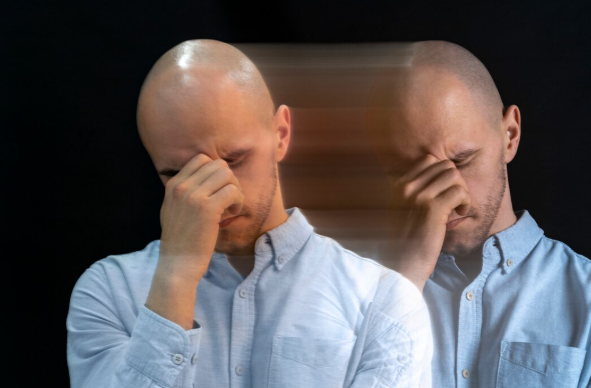
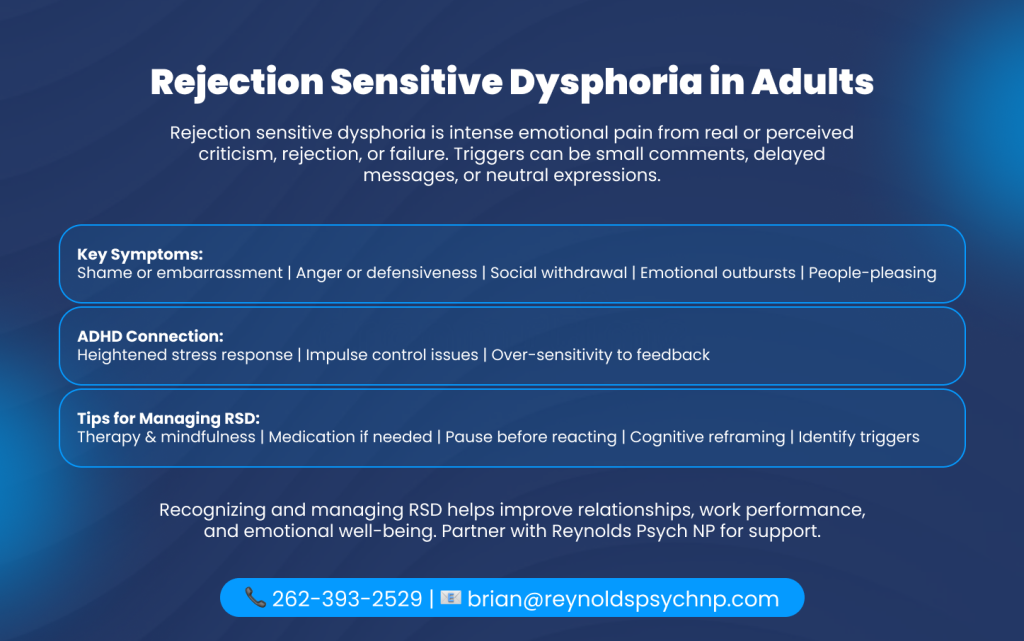
Rejection sensitive dysphoria is an intense emotional response to perceived or actual rejection, criticism, or failure. While everyone feels hurt by rejection at times, individuals experiencing this condition feel emotional pain that is sudden, overwhelming, and deeply distressing.
For many adults, rejection dysphoria presents as emotional overload that feels disproportionate to the situation. A minor comment, neutral facial expression, or delayed text message can trigger intense shame, anger, or sadness.
Although not formally classified as a standalone diagnosis, rejection-sensitive dysphoria is widely discussed in clinical settings, particularly in connection with ADHD and mood disorders.
Why Rejection Feels So Intense
Adults living with rejection sensitivity dysphoria often describe their emotional reactions as immediate and uncontrollable. The brain interprets criticism as a threat, activating stress responses that heighten emotional pain.
These responses are not signs of weakness. They reflect neurological patterns involving emotional regulation and impulse control. When emotional regulation is compromised, the body reacts before logic has time to intervene.
Common Emotional Reactions
- Sudden shame or embarrassment
- Intense anger or defensiveness
- Social withdrawal
- Persistent rumination
Understanding these reactions helps individuals separate emotional intensity from personal failure.
Rejection Sensitive Dysphoria Symptoms in Adults
Recognizing rejection sensitive dysphoria symptoms is essential for identifying patterns. Symptoms can be emotional, behavioral, and even physical.
Many adults internalize their reactions, leading to self-criticism and avoidance of social or professional risks. Others may react outwardly with irritability or emotional outbursts.
Key Indicators
- Extreme fear of disappointing others
- Avoidance of feedback
- Emotional outbursts following criticism
- Chronic people-pleasing
- Sudden mood shifts
These symptoms of rejection sensitive dysphoria often overlap with anxiety or mood disorders, making accurate assessment important.
The Connection Between ADHD and Emotional Dysregulation
There is a strong association between rejection-sensitive dysphoria and ADHD. Many adults with ADHD report heightened emotional responses linked to ADHD emotional dysregulation.
Emotional sensitivity ADHD patterns involve difficulty regulating intense feelings, especially in response to perceived rejection. This is why rejection dysphoria frequently appears in individuals with attention-deficit disorders.
Why ADHD Amplifies Emotional Pain
- Impaired impulse control
- Heightened stress response
- Difficulty shifting attention away from negative thoughts
- Increased sensitivity to social feedback
When ADHD emotional dysregulation is present, rejection sensitive dysphoria may become more pronounced.
How It Impacts Relationships and Work
Living with rejection dysphoria affects professional performance and personal relationships. Fear of criticism can limit career advancement or strain communication with partners.
Adults may overwork to avoid mistakes or withdraw socially to prevent emotional pain. These coping mechanisms can create isolation and burnout.
Behavioral Patterns in Adults
- Overachievement to avoid criticism
- Avoiding promotions or leadership roles
- Ending relationships preemptively
- Persistent self-doubt
Recognizing these behaviors helps individuals seek support before patterns become entrenched.
Distinguishing RSD From Other Conditions
Because rejection sensitivity dysphoria shares traits with anxiety and depression, professional evaluation is important. A structured assessment clarifies whether symptoms stem from mood disorders, ADHD, trauma, or rejection-sensitive dysphoria.
During mental health care in Kenosha, providers conduct detailed interviews to explore emotional patterns, triggers, and coping mechanisms.
This evaluation may include reviewing symptoms of rejection sensitive dysphoria alongside anxiety and depressive features to determine the most accurate clinical approach.
Treatment Options for Rejection Dysphoria
Effective rejection sensitive dysphoria treatment depends on the individual’s underlying conditions and symptom severity. Therapy, lifestyle strategies, and medication can all play a role.
Therapeutic Approaches
- Cognitive Behavioral Therapy (CBT)
- Emotional regulation training
- Mindfulness-based therapy
- ADHD-focused behavioral therapy
In some cases, medication management may be recommended to address underlying ADHD or mood instability.
Comparison Table: Emotional Sensitivity vs. RSD
| Feature | Emotional Sensitivity | Rejection Sensitive Dysphoria |
| Trigger | General stress | Perceived rejection |
| Intensity | Moderate | Extreme, sudden |
| Duration | Variable | Often intense but brief |
| ADHD Link | Sometimes | Frequently associated |
| Treatment | Coping skills | Therapy + possible medication |
Coping Strategies for Daily Life
Managing rejection-sensitive dysphoria requires practical tools to reduce emotional escalation. Learning to pause before reacting helps create space between feeling and behavior.
Practical Strategies
- Practice cognitive reframing
- Develop assertive communication skills
- Use grounding exercises during emotional spikes
- Identify predictable triggers
These tools are especially helpful for adults experiencing emotional sensitivity ADHD patterns.
The Role of Medication in Emotional Regulation
Many adults ask what is medication management in mental health is and how it applies to emotional regulation. Medication involves careful selection, monitoring, and adjustment of medications to support symptom reduction.
For individuals with ADHD or mood instability, appropriate medication can reduce emotional intensity and impulsive reactions.
However, there are challenges in medication management, including finding the right dosage and minimizing side effects. Professional oversight ensures safe and effective use.
Rejection sensitive dysphoria treatment often combines medication with therapy for optimal outcomes.
When to Seek Professional Help
Persistent emotional pain, relationship difficulties, or career disruption indicate that professional guidance may be necessary. Early intervention prevents escalation into depression or chronic anxiety.
If rejection sensitivity dysphoria symptoms interfere with daily functioning, a structured evaluation can clarify the diagnosis and guide treatment planning. Seeking help is not a sign of fragility, but it reflects a commitment to long-term emotional health.
Final Verdict
Rejection sensitive dysphoria can make everyday criticism or perceived rejection feel overwhelming and deeply personal. For adults, this emotional overload often remains hidden beneath productivity, humor, or achievement. Yet untreated rejection-sensitive dysphoria can strain relationships, limit opportunities, and contribute to anxiety or depression.
If you are experiencing intense emotional reactions or suspect rejection sensitivity dysphoria may be affecting your life. Reynolds Psych NP offers compassionate, evidence-based support. Contact Reynolds Psych NP at (262) 999-7350 or email [email protected] to schedule a confidential consultation and begin personalized care.
FAQs
1. What is rejection sensitive dysphoria?
Rejection-sensitive dysphoria is an intense emotional reaction to perceived or actual rejection, often linked to ADHD.
2. Is rejection-sensitivity dysphoria a formal diagnosis?
It is not currently a standalone DSM diagnosis but is widely recognized in clinical discussions, especially in ADHD populations.
3. What are common rejection sensitive dysphoria symptoms?
Sudden shame, anger, avoidance of criticism, and emotional outbursts are common symptoms.
4. Can medication help with RSD?
Yes, medication combined with therapy may reduce emotional intensity, especially when ADHD is present.
5. How do I know if I need treatment?
If emotional reactions interfere with work, relationships, or daily functioning, professional evaluation is recommended.